travel planning
International Travel Planning Checklist: A Step-by-Step Guide
Prepare for international travel with a structured checklist covering documents, health, safety, and logistics. Use this guide to avoid common oversights before departure.
What this guide covers
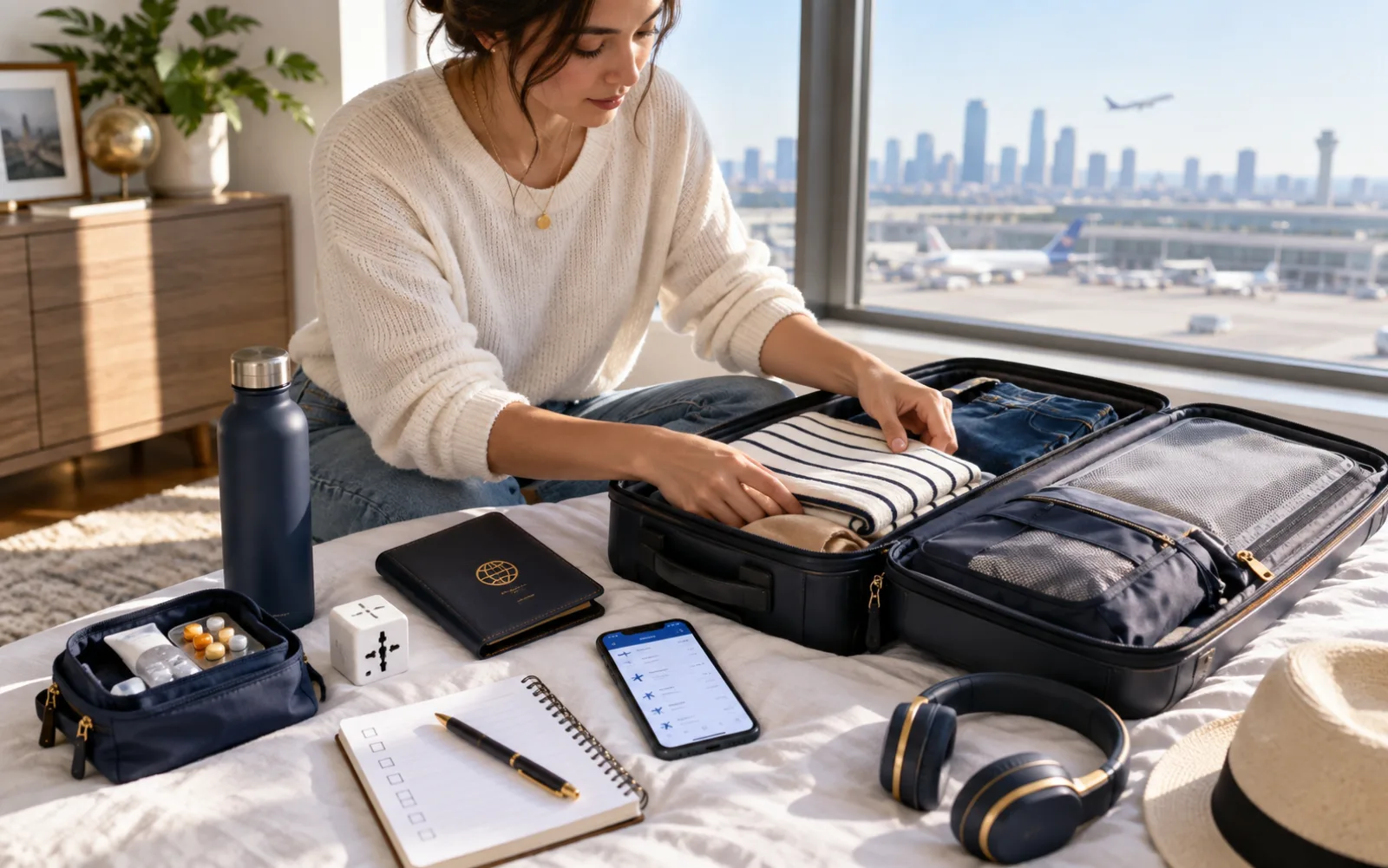
This guide walks you through the essential preparation steps for international travel. It covers travel documents and visas, health and insurance, destination research, and logistics like flights and accommodation. The checklist applies whether you're traveling for leisure, work, or study, and across any destination.
This guidance is informational. Immigration authorities, visa-issuing bodies, and destination governments make final decisions on eligibility and approval.
Step-by-step
1. Research your destination
Before booking anything, understand what you're traveling into. Check travel advice for your destination to learn about safety, security, and health risks. Government travel advisories change; review them regularly as your departure date approaches.
If you're considering activities like medical tourism, diving, or adventure sports, research the specific risks and ensure your insurance covers them.
2. Verify your travel documents
Your passport is your foundation. Check:
- Passport validity: Confirm your passport is valid for your entire trip. Many destinations require a minimum validity period beyond your return date; verify this with the destination's entry requirements.
- Visa requirements: Determine whether you need a visa, visa waiver, or electronic travel authorization. Requirements vary by your citizenship and destination. Contact the destination country's embassy or consulate, or check their official immigration website.
- Copies and digital backups: Photocopy your passport ID page, visa, and key documents such as prescriptions and insurance policy. Keep hard copies separate from originals and store digital copies securely.
3. Arrange flights and accommodation
Flights: Book early for better availability and pricing. Confirm your airline's baggage allowance, check-in requirements, and any visa or documentation requirements they may enforce at the gate.
Accommodation: Reserve lodging in advance, especially during peak seasons. Confirm cancellation policies, accessibility features, and location relative to transport hubs and your planned activities.
Travel itinerary: Keep a detailed itinerary including flight numbers, hotel addresses, and contact information. Share this with a trusted contact at home. If you're applying for a visa, some destinations require a travel itinerary as supporting evidence.
4. Assess health and insurance needs
Health preparation: Before travel, seek information or advice on potential health risks with the goal of staying safe and healthy while away. This includes vaccinations, medications, and preventive measures specific to your destination.
Travel insurance: Choose the right travel insurance that covers medical emergencies, evacuation, trip cancellation, and activities you plan to undertake. Print out your health insurance documents and keep them accessible.
Prescriptions and medical records: Carry prescriptions in original containers with labels. If you take regular medications, bring enough for your entire trip plus extra. Consider carrying a letter from your doctor explaining your medical needs.
5. Prepare financial and practical items
- Currency and payment: Research the local currency and exchange rates. Notify your bank of travel dates to avoid card blocks. Carry a mix of cash, cards, and backup payment methods.
- Mobile and communication: Arrange international roaming, local SIM cards, or portable WiFi. Ensure you can contact your embassy if needed.
- Emergency contacts: Write down your embassy's address and emergency contact number. Sign up for alerts through the Smart Traveler Enrollment Program or equivalent service in your country.
- Packing: Check baggage restrictions, customs regulations for your destination, and any prohibited items.
6. Review safety and security
Research the latest travel advice for your destination to understand current security situations. Be aware of areas to avoid and local laws that differ from your home country. Be alert to risks like spiked and contaminated drinks and carbon monoxide poisoning in accommodations.

Documents and evidence
Gather and organize these documents before departure:
- Passport (original and copies)
- Visa or travel authorization (if required)
- Travel insurance documents (policy number, coverage details, emergency contact)
- Flight confirmations and boarding passes
- Hotel reservations
- Travel itinerary
- Vaccination certificates or health records (if required by destination)
- Prescription medications in original containers with labels
- Doctor's letter (if carrying syringes, controlled medications, or medical devices)
- Bank and credit card contact information
- Emergency contact information for family and your embassy
- Copies of key documents stored separately and digitally
For visa applications, requirements vary by destination and your citizenship. Contact the destination country's embassy or consulate to confirm what evidence they require.
Common mistakes
Checking documents too late: Passport renewals and visa processing take time. Start this process 3–6 months before travel.
Ignoring destination-specific requirements: Visa rules, health requirements, and customs regulations differ by country and change frequently. Don't assume your last trip's requirements apply.
Underestimating insurance needs: Generic travel insurance may not cover adventure activities, medical tourism, or high-risk destinations. Read the fine print.
Forgetting copies and backups: Digital and physical copies of key documents are lifesavers if originals are lost or stolen.
Not researching health risks: Vaccinations and preventive medications must be arranged weeks in advance. Don't wait until days before departure.
Overlooking local laws: What's legal at home may be illegal abroad. Research local regulations, especially around photography, alcohol, and cultural practices.
Booking without flexibility: Confirm cancellation and change policies for flights and accommodation in case plans shift.

Next steps
- Start with your destination: Visit your government's travel advisory service and the destination country's official immigration website.
- Check visa requirements: Contact the destination's embassy or consulate to confirm whether you need a visa and what documents are required.
- Book essentials: Reserve flights and accommodation once you've confirmed travel documents are in order.
- Schedule health appointments: Contact your doctor or travel clinic to discuss vaccinations and health precautions.
- Organize documents: Create a folder (physical and digital) with all copies and confirmations.
- Share your itinerary: Give a trusted contact your flight details, accommodation addresses, and emergency contact information.
- Verify one week before: Confirm flight times, hotel reservations, and that all documents are accessible.
For personalized guidance on visa requirements, document preparation, or travel planning, VisaReadyPro offers source-linked research, document preparation support, and paid team consultations.